Epigenetics
Epigenetics, without the hype: how your habits relate to gene regulation.
An active, promising field of study that's often overstated by marketing. Here I explain it carefully.
Genetics vs. epigenetics
Two distinct layers
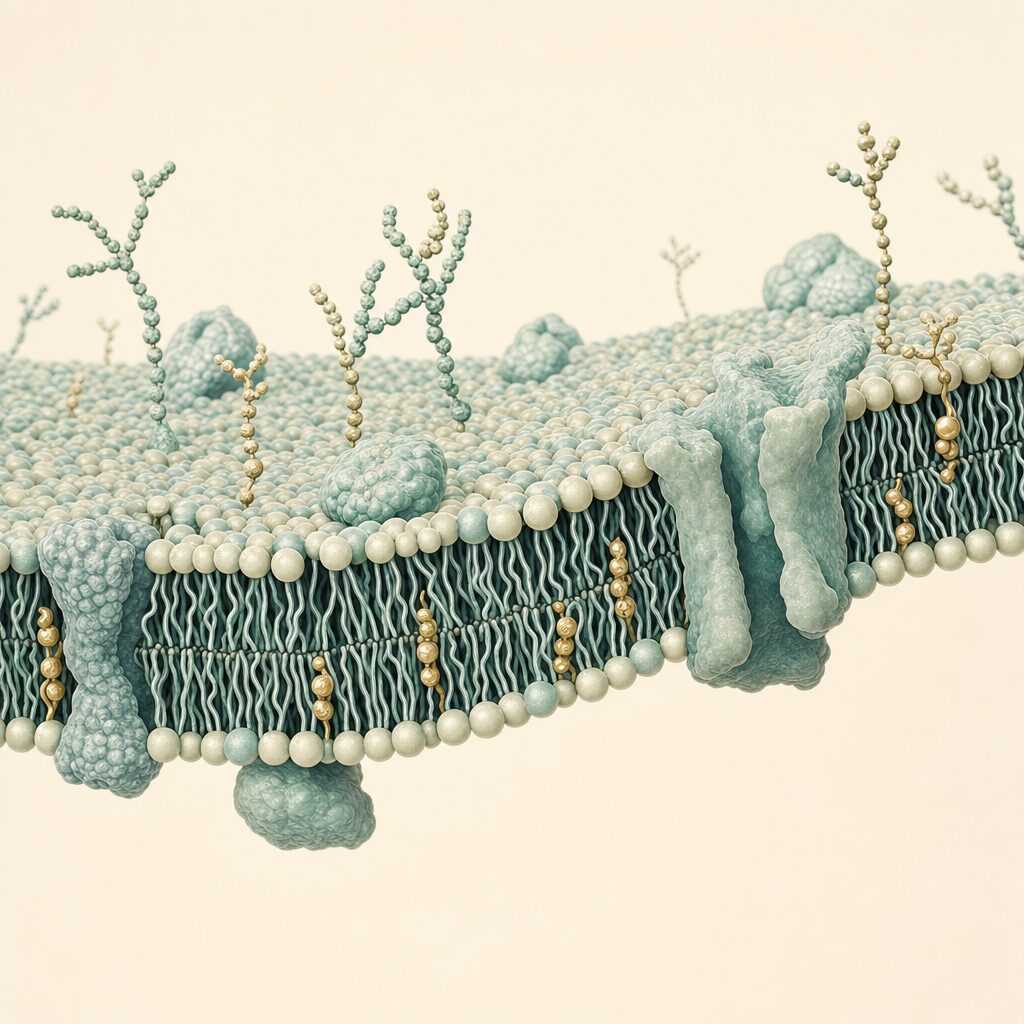
Your genetics are the DNA sequence you inherit and which, under normal circumstances, doesn't change. Epigenetics studies the mechanisms that regulate when and how those genes are expressed, without altering the sequence itself.
What we know
Associations, not absolute certainties
Research links environmental and lifestyle factors with changes in gene expression regulation. It's an evolving field: I'm talking about observed associations, not fully resolved mechanisms for each person.
Scope of service
What this means, and what it doesn't
It is
- A framework for understanding why certain habits matter.
- An active, evolving area of research.
It isn't
- You don't control your genes at will or instantly.
- There's no guarantee of reversing or changing a specific outcome.
Lifestyle pillars
What's most studied in this field
Sleep
Nutrition
Movement
Stress
Environment
Relationships
How it fits into CellCare Lab
An educational framework, not a formula
I use epigenetics to ask better questions about why certain habits matter, not as a formula to promise specific results. The goal is for you to understand the why, not memorize a list of rules.
Sources
I'm preparing a list of reviewed scientific and educational sources for this page. It will be published here before the site's public launch.
Bring this into your own context.
Discover the full method or explore my resources.