
Epigenetics
Epigenetics, without the hype
How your habits relate to gene regulation, explained carefully and without exaggerated promises.
7 min readRead article →
Cellular health
A term used more and more in wellness. What it can really offer and where the evidence stops.
CellCare Lab · 6 min read
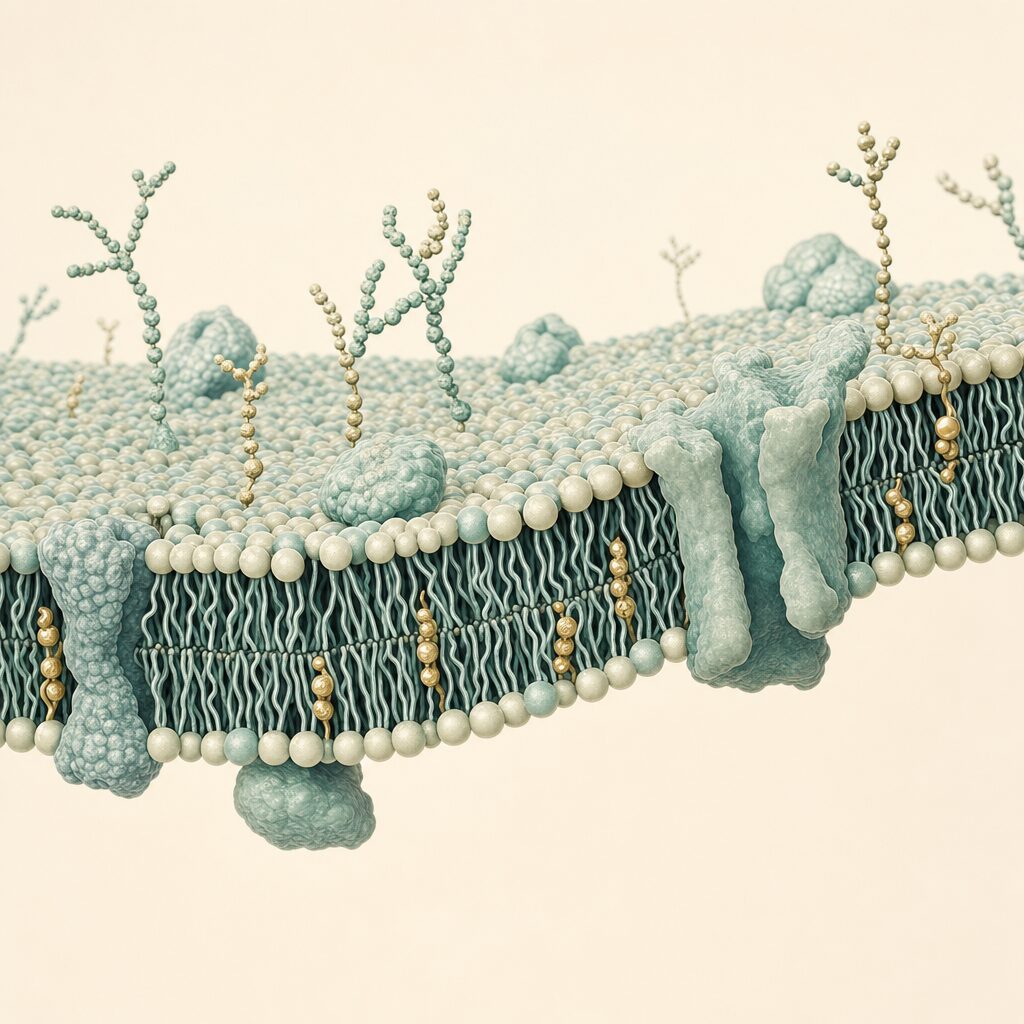
"Cellular health" shows up more and more in the wellness world, but it's a broad term that can mean different things depending on who's using it. Before adopting it as a goal, it's worth understanding what it actually represents and what its limits are as a concept.
Broadly speaking, it refers to the set of conditions that allow your cells to function properly: the composition of their membranes, the availability of key nutrients, and exposure to lifestyle factors like sleep, movement, or stress. It's not a single measurement, but a context made up of several markers.
Some measurements, like a fatty acid profile, can offer objective information about one specific aspect of that context. That information serves as a starting point for a conversation about habits related to wellness and general health, not as a definitive answer.
The most useful approach is usually to treat any data point as one more piece of context: something that helps you ask better questions and prioritize habits, not a verdict on your body.
A data point is useful when it changes a decision, not when it replaces a conversation with the person supporting you.
This article is for educational purposes and does not replace the diagnosis, treatment, or advice of a qualified healthcare professional. For any health concern, consult your doctor.
Sources
I'm preparing the list of reviewed sources for this article. It will be published here before the site's public launch.
What does this mean for you?
Measures 11 fatty acids to understand how many nutrients actually reach your cells.
Learn about this serviceKeep reading
Epigenetics
How your habits relate to gene regulation, explained carefully and without exaggerated promises.

Sleep
Instead of chasing isolated tricks, a more useful way to look at sleep and stress as signals from your body.
Newsletter