Cellular health
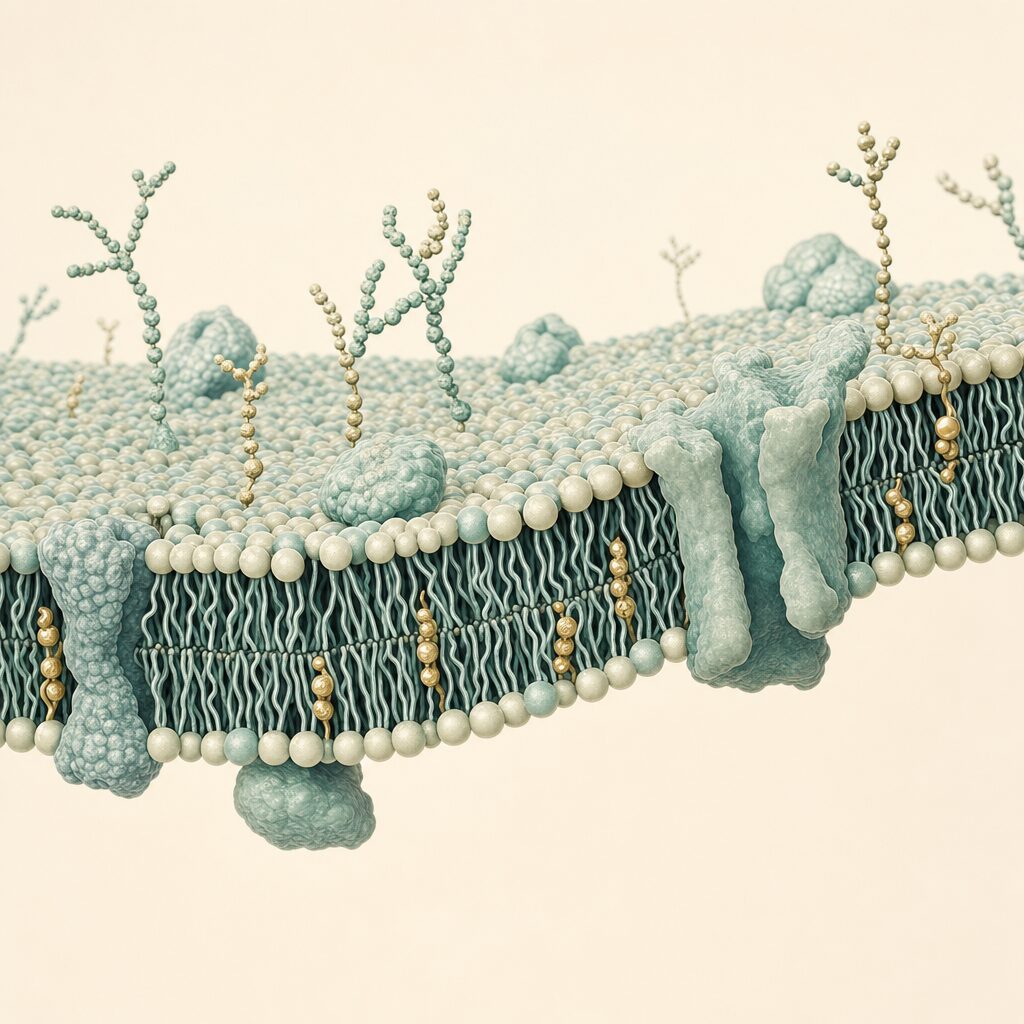
Cellular health: what it means and what it doesn't
A term used more and more in wellness. What it can really offer and where the evidence stops.
6 min readRead article →
Sleep
Instead of chasing isolated tricks, a more useful way to look at sleep and stress as signals from your body.
CellCare Lab · 5 min read

It's easy to fall into the search for "tricks" to sleep better or manage stress: an app, a supplement, a ten-step routine. But sleep and stress work more like signals than isolated problems solved with a one-off shortcut.
Sleeping poorly once in a while is usually a normal response to a particular day. When the pattern repeats, it's worth asking what's going on around it: schedules, light, physical activity, recurring worries. Treating the symptom without looking at the cause rarely sustains change over time.
Managing stress also shows up in physical habits: how you eat, how you move, how you rest. Exploring relevant habits and lifestyle factors tends to be more sustainable than looking for one isolated relaxation technique.
This approach — measure, understand, and adjust gradually — tends to produce changes that last longer than any one-off shortcut.
This article is for educational purposes and does not replace the diagnosis, treatment, or advice of a qualified healthcare professional. For any health concern, consult your doctor.
Sources
I'm preparing the list of reviewed sources for this article. It will be published here before the site's public launch.
What does this mean for you?
I organize your results or questions with you to define clear priorities.
Learn about this serviceKeep reading
Cellular health
A term used more and more in wellness. What it can really offer and where the evidence stops.

Epigenetics
How your habits relate to gene regulation, explained carefully and without exaggerated promises.
Newsletter